Dallas is a city of oaks and rooftops. From Preston Hollow to Oak Cliff, mature trees run right up against attics and chimneys, and the Trinity River corridor cuts a green belt through the urban grid. That mix creates perfect conditions for wildlife to thrive, then wander into places they shouldn’t. If you’ve ever heard scratching at 2 a.m., found droppings in the garage, or noticed a stain forming on the ceiling under a roofline, you already know the uneasy feeling of sharing space with uninvited guests.
This guide pulls together practical, field-tested advice on nuisance wildlife management in Dallas homes, including prevention steps, what to do when animals gain access, and when to call a wildlife removal service. You’ll find the trade-offs between trapping and exclusion, the timing that matters in Texas seasons, and details most people miss until they pay for the same repair twice.
What makes Dallas different
Dallas isn’t just another Sun Belt city with rodents. Our climate swings hard between warm, wet springs and hot, drought-prone summers, with occasional cold snaps that drive animals into warm structures. Add in widespread live oak, pecan, and cedar elm canopies, plus creeks and alleys that act like highways. Squirrels take the power lines, raccoons use fence tops, bats ride the thermal layers around gables, and rats follow shrub lines and drain paths right to HVAC penetrations.
Neighborhood age matters. Older homes in Lakewood and M Streets often have pierced soffits, open chimney crowns, and original fascia with dried caulks. Newer builds in Far North Dallas can have remarkably tight envelopes, but builders sometimes leave generous gaps at roof-to-wall junctions, garage door weatherstripping, and weep holes. Both sets of conditions invite problems, just in different ways.
The usual suspects and how they behave
Squirrels in Dallas are mostly fox squirrels with the odd gray squirrel mix. They chew. If they can compress a gap to the width of a thumb, they can widen it with incisor work. Expect entry points at roof returns, lifted drip edge, and where tree limbs touch the roof. They run at dawn and late afternoon, so scratching or rolling sounds during those times often point to a squirrel problem. Squirrel removal tends to be straightforward if you time it outside the spring and late-summer birthing windows. If babies are present, plan for a two-step process: allow the mother to relocate or hand-remove pups into a reunification box on the roof.
Raccoons are powerful and messy. They rip through soffits, flip unsecured attic vents, and pry up loose shingles. Homeowners usually notice thudding footsteps at night, larger droppings, and a strong musky odor. In attics, raccoons compress insulation and stain drywall rapidly because they often pick a single latrine spot. Raccoon removal demands caution and real experience. A healthy adult can weigh 15 to 25 pounds and will defend kits. In Dallas, denning often peaks late winter into spring. That timing shapes what a wildlife trapper can do ethically and legally.
Roof rats favor consistent travel routes and repeatable food sources. They climb ivy, brick, and siding, and they only need a half-inch gap to enter. The clues are subtle: gnaw marks on garage door weatherstripping, oily rub marks on rafters, and droppings along sill plates. You hear them mostly at night, skittering in soffit voids. Standard pest control sometimes focuses on baiting, which works for population reduction but can create odor problems if rats die inside walls. Integrated approaches that combine pest abatement with thorough sealing work better long term.
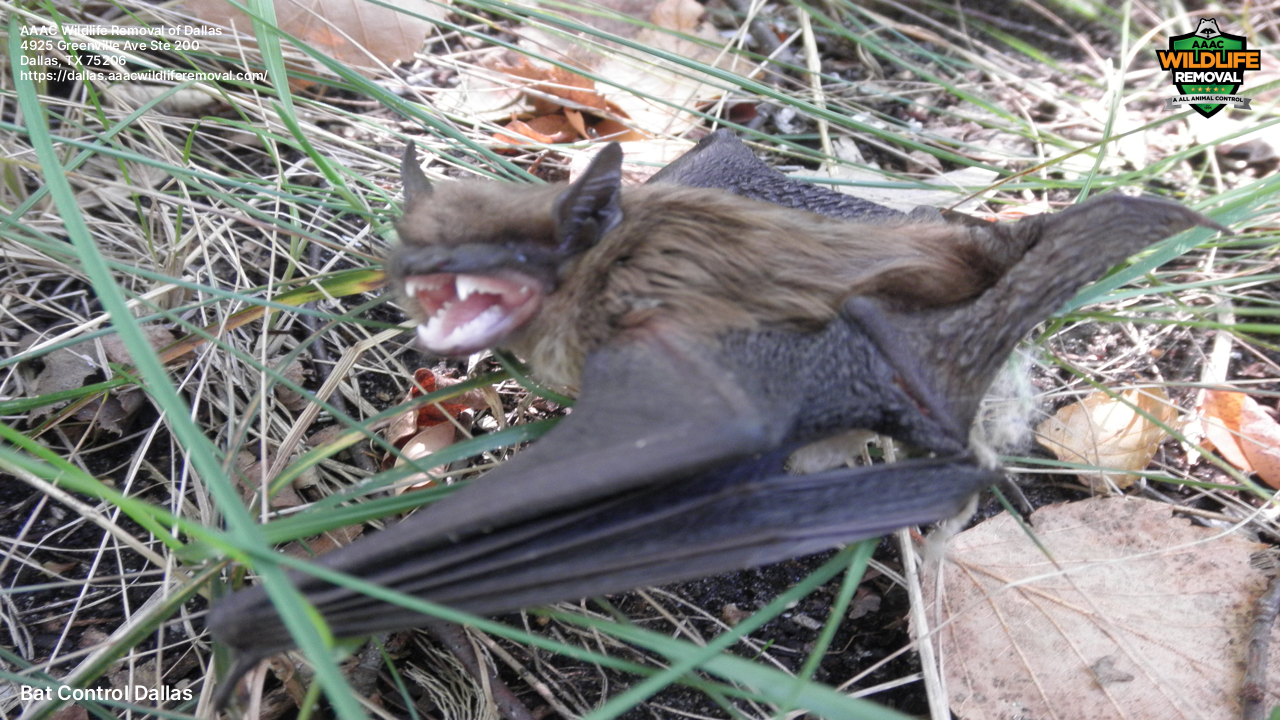
Bats, commonly Mexican free-tailed in our area, wedge into narrow gaps along ridge vents, fascia seams, or stone-to-wood transitions. Guano shows up below entry points, and homeowners describe a faint chittering near dusk. Bat removal is tightly regulated. From roughly April through mid-August, bat exclusion is restricted to protect flightless pups. If a wildlife pest control service offers to remove bats during maternity season, ask how they will avoid orphaning young. True professionals never trap or kill bats and will schedule one-way exclusion outside maternity windows.
Opossums, skunks, and armadillos show up too, often under decks or in crawl spaces. Skunks are diggers. Armadillos uproot landscaping to hunt grubs and can carve a trench along a foundation line in a single night. Opossums wander in through open garage doors and sometimes get stuck behind stored items. Each requires a different plan. For diggers, you’ll be thinking about buried exclusion. For wanderers, you’ll prioritize habitat changes and access control.
First signs that deserve your attention
Most wildlife problems in Dallas start small. A lifted shingle at the eave. A bit of attic insulation near a roofline vent. A whiff of ammonia in the hallway that comes and goes with humidity. Ignore the early signs, and you’ll pay later in chewed wiring, contaminated insulation, or a roof leak that began as an animal hole.
In practice, the first reliable indicators include transitional noises, gnaw debris on the driveway near the garage door, faint stains below soffits, and unusual pet behavior at night. If a dog stares at the ceiling fans around 9 p.m., there’s likely roof rat activity. If a cat patrols a single closet wall, think wall void travel routes. These observations guide where a pest wildlife trapper will set cameras or place a test marking powder.
What to do immediately, before you call anyone
Resist the urge to plug every hole you see. If an animal is inside and you seal its exit, it will create a new one, often through drywall or trim. Start with documentation. Walk the perimeter in daylight and again at dusk with a flashlight. Photograph lifted ridge vents, bent screens, or gaps at utility penetrations. Note times of noises. This helps a wildlife removal service diagnose quickly and quote accurately.
Keep attractants in check. Bird feeders near structures create a buffet for squirrels and rats. Pet food on the patio is a homing beacon for raccoons. Unlidded trash or a can without a secure latch will get rolled and opened like a puzzle box. A simple trash bungee can stop a months-long raccoon routine.
If you’re confident the animal is not currently inside living spaces, close off obvious interior access points: under-sink cabinet holes, laundry hookups, and attic scuttle openings. If there’s any chance a bat entered the home, confine it to one room, turn off fans, and open a single window at dusk. Do not swat or grab; bat bites are tiny and carry rabies risk.
The Dallas rhythm of the year
Timing shapes your options more than many homeowners realize. Spring is nesting and denning season. Squirrels and raccoons with young require gentler, longer removal sequences. Bats enter maternity season, which restricts exclusion. Early summer brings roof rat expansion as vegetation grows thick. August heat drives animals to cooler voids and shaded soffits, while drought concentrates activity around irrigation lines. First cold fronts in fall push every species to rethink shelter, and attics become prime real estate again. Knowing this rhythm helps you plan pest wildlife removal without bad surprises.
Trapping, exclusion, or both
When people think wildlife control, they picture cages on a fence line. Trapping has its place, particularly for raccoon removal or a skunk that refuses to leave a porch crawl. It provides immediate relief when an animal is currently causing damage. But trapping alone rarely solves the root problem. If an opening remains, another animal will take the vacancy.
Exclusion is the permanent fix. It means inspecting every potential gap, reinforcing weak points with hardware cloth, flashing, and sealants rated for exterior use, then installing one-way doors that allow animals out but not back in. For squirrels and rats, exclusions shine because these species follow habitual routes. Once they hit a one-way exit and find their usual reentry blocked, they move elsewhere. For bats, exclusion is the only compliant method. A reputable wildlife exclusion service will refuse to seal bats in, and will document entry points, install valves, and schedule a return to remove devices once the colony leaves.
The trade-off is time and cost. Exclusion requires ladder work, metal fabrication, and often a return visit. DIYers can do parts of it, but the details matter: the gauge of hardware cloth, the type of flashing screws so thermal expansion doesn’t loosen them, the sealants that hold in Texas heat. I’ve seen weekend fixes fail by the first thunderstorm because someone used interior foam around an exterior vent or stapled mesh to rotted wood. When damage is recent and access points are simple, consider DIY. If the roofline is complex, or if raccoons are involved, hire a wildlife trapper with roofing skills or a dedicated wildlife removal service.
Safety, legalities, and neighborhood realities
Wildlife laws exist for good reasons. Bats are protected. Many counties regulate relocation of trapped animals to prevent disease spread. Texas law prohibits the use of certain poisons for wildlife outside licensed applications. Missteps can carry fines or create liabilities if an injured animal retreats into a neighbor’s attic.
Then there’s the matter of safety. Raccoons carry roundworm and can deliver serious bites. Distemper pops up periodically in urban populations. Rodent droppings can contain pathogens like Salmonella or hantavirus. When cleaning contaminated insulation, wear proper respiratory protection, and bag waste to minimize dust. If you or a family member get scratched or bitten, wash thoroughly and seek medical advice immediately. Report bat bites without delay, even if the mark looks tiny or you’re uncertain whether skin was broken.
How pros diagnose problems that homeowners miss
A seasoned wildlife pest control service will look at the house differently. They read stain patterns under soffits and know the difference between rat rub marks and soot from a leaky chimney. They’ll check for lifted drip edge at dormers, not just at eaves, and they’ll run a hand along the top of a garage header where the weatherstripping meets the framing. They test voids by tapping and listening for hollow or insulated responses, and they use thermal or borescope cameras to track movement in hard-to-reach areas without cutting holes.
I’ve watched technicians chalk-dust a suspected roof rat trail, then return at night to see if the dust transferred to a gutter seam. I’ve seen a raccoon den pinpointed by pressing on a slightly cooler patch of ceiling at dusk, which indicated compressed insulation from nesting. These aren’t expensive tricks, just practiced habits.
When sanitation matters more than gadgets
After animals leave, the job isn’t done. Urine and feces attract new wildlife, not to mention insects. They also degrade insulation R-values and can stain drywall from above. Remediation can be light or heavy. Light means spot cleaning, disinfecting with an appropriate virucidal solution, and replacing a few bat-stained soffit panels. Heavy means removing entire attic runs of matted insulation, fogging the space with an enzyme treatment, and blowing in new insulation to code. People often balk at the cleanup costs, then call again six months later with a new infestation. Sanitation reduces odors and pheromones that advertise your attic as a proven shelter. It’s not cosmetic. It closes the loop.
Practical prevention that actually works in Dallas
Trim tree limbs to maintain at least six to eight feet of clearance from the roofline. Squirrels will jump across smaller gaps, and raccoons use overhanging branches as ramps. Keep gutters clear and intact. Not for water alone, but because rotting fascia is easy to breach. Install metal flashing along suspect roof returns and intersecting gable points. Upgrade attic vents to pest-rated covers with metal cores, and screw them into solid backing rather than thin trim.
Garage doors deserve special attention. Replace worn bottom seals and side weatherstripping. If light shows through, rats will find it. Weep holes in masonry can be fitted with stainless steel inserts that allow airflow while blocking entry. Caulk around utility penetrations with exterior-grade sealant that remains flexible in heat. Where cable or AC lines enter, reinforce with a small collar of hardware cloth under the sealant so chewing animals hit metal before foam.
Bird feeders, if you insist on keeping them, must live far from structures and be managed with seed that produces less ground spillage. Store grill drippings and pet food in sealed containers. A simple yard sweep after a kids’ party or backyard cookout can save you from a week of nocturnal cleanup.
Choosing the right help
Not all service providers are equal. Some pest control companies excel at insects but only dabble in wildlife. Others specialize exclusively in nuisance wildlife management and bring fabrication skills for permanent repairs. Look for licenses and insurance, yes, but also ask process questions. How do they handle bat maternity season? What’s their policy on juvenile squirrels or raccoons? Will they photo-document every entry point and every seal they install? Do they include a reinspection after a storm? Good providers do.
You want a clear scope: inspection, trapping if needed, exclusion, sanitation, and follow-up. Watch for quotes that focus only on trapping or only on baiting for rodents without structural sealing. You’ll save money upfront and spend more later when the next animal moves in. Ask about warranties. A meaningful warranty on exclusion work in Dallas usually ranges from one to three years, with caveats for new storm damage or structural changes.
The money conversation
Homeowners often ask for a ballpark range. With all the caveats, here’s what I’ve seen locally. Simple squirrel removal with one or two entry points and basic sealing might run a few hundred to a low four figures, depending on roof access and materials. Raccoon removal with denning and attic remediation can easily reach mid to high four figures, especially if insulation replacement is involved. Bat removal with proper exclusion and follow-up often lands in the mid four figures, and can go higher for complex rooflines with many potential gap sites.
Cheaper bids usually cut corners on sealing or skip reinspection. More expensive doesn’t always mean better, but there’s a baseline of time and materials that honest work requires in Dallas conditions. If a quote seems https://blogfreely.net/muallembom/wildlife-exclusion-service-how-to-seal-your-home-against-unwanted-guests too low, compare the number of linear feet of sealing, the number of vents addressed, and whether ridge vent protection is included.
A homeowner’s inspection circuit
Consider this your routine sweep every spring and fall, the two seasons when animal movement spikes and weather lets you work outside. Start at the curb and look at the roofline silhouette. Are any vents cocked or out of plane? Move to the eaves and check for daylight under drip edge. Bring a flashlight and scan soffit panels for stains, swelling, or gaps. Check the chimney crown and cap. If you can’t see the crown safely, use a pair of binoculars from the yard.
Walk the fence line and foundation. Look for burrow openings near AC pads or under step-ups in grade. Run your hand behind shrubs where lines enter the wall and feel for gaps masked by vegetation. Inspect garage door seals for wear and compression. If a corner curls, rats will test it. Lift outdoor cushions and grill covers at dusk one night and see what scurries. Not a scare tactic, just a reality check.
Inside, open the attic hatch with care and sniff. A sharp ammonia note suggests active urine, while a musty, sweet smell can indicate older contamination. Scan for droppings along joists and for insulation matted into runways. If you see fresh feces and rub marks, don’t start sealing immediately. Confirm whether animals are inside, then plan exits and one-way doors.
The limits of DIY and the value of sequencing
Homeowners can handle a lot. You can trim limbs, maintain seals, manage attractants, and even do light exclusion with the right materials. The trouble begins when people tackle high rooflines without proper safety or attempt bat work without knowing the calendar. I’ve also seen attempts to evict raccoons by blasting loud music or spreading ammonia rags, which sometimes drives a mother to move kits deeper into a structure or through a drywall ceiling.
Sequence matters. If you hear movement, verify occupancy. If animals are inside, install one-way devices and confirm exit with monitoring. Only then complete final sealing. If you’re uncertain, bring in a wildlife trapper for an inspection and a plan, then decide what pieces you want to do yourself.
Two quick checklists you can actually use
- Fast signs that suggest you should call a wildlife removal service: Noises at night that shift locations over time A strong, persistent urine odor near ceilings or vents Fresh droppings in attics, garages, or along sill plates Visible entry points larger than a finger at rooflines or vents Pets fixating on a wall or ceiling at consistent hours Materials that hold up in Dallas conditions for wildlife exclusion service work: 16 to 23 gauge galvanized hardware cloth, not plastic mesh Exterior-grade polyurethane or high-quality silicone sealant Corrosion-resistant screws with neoprene washers for flashing Pest-rated metal vent covers, not thin stamped screens Ridge vent baffles designed to block wildlife without choking airflow
Case notes from Dallas homes
A ranch in North Dallas had months of roof rat traffic despite repeated baiting by a general pest control outfit. The breakthrough came when we found a half-inch gap at the garage’s top corner where the weatherstripping met a bowed header. Rats used a tree limb to the roof, then a gutter seam, then that gap. We trimmed the limb, reinforced the gutter end cap, installed a scab board at the header to flatten the seal, and sealed two AC line penetrations. Activity stopped within 48 hours without additional bait. The homeowner spent less than they had already spent on monthly service that never addressed structure.
In East Dallas, a two-story Tudor had a raccoon rip a soffit panel near a gable return. Kits were present. We installed a heavy-duty one-way door at the breach and reinforced adjacent soffits with metal from behind, leaving the active opening as the path of least resistance. After the family relocated over three nights, we removed the door, installed a welded cover plate, and reinsulated a 10-by-10-foot area where urine had saturated the batting. The client wanted speed. The calendar forced patience, which saved her from a worse outcome and avoided orphaning animals.
Near White Rock Lake, a homeowner heard chirping from a dormer. Bats had entered through a quarter-inch mortar gap where stone met fascia. Because it was within maternity season, we documented the colony, sealed all non-primary gaps, and scheduled exclusion after pups could fly. In the interim, we addressed interior odor by improving attic ventilation and adding a temporary guano catch below the main roost to prevent ceiling stains. Once legal to do so, we installed slimline one-way valves and closed them two weeks later. The roofline got a full round of ridge vent protection. No return the next spring.
Final thoughts built on experience
Wildlife problems in Dallas come down to edges. The edges where branches meet shingles, where vent openings meet flashing, where our habits meet animal persistence. You don’t have to turn your house into a fortress. You do need to pay attention at the right times, use the right materials, and decide when to lean on a wildlife pest control service that does more than set traps.
If you handle prevention steadily and let professionals tackle the tricky parts, you’ll spend less overall, sleep better, and keep the city’s wildlife where it belongs, outside the envelope of your home. And if you ever hear that 2 a.m. scratching again, you’ll know exactly what to look for, who to call, and how to make sure it doesn’t become a recurring line item in your household budget.